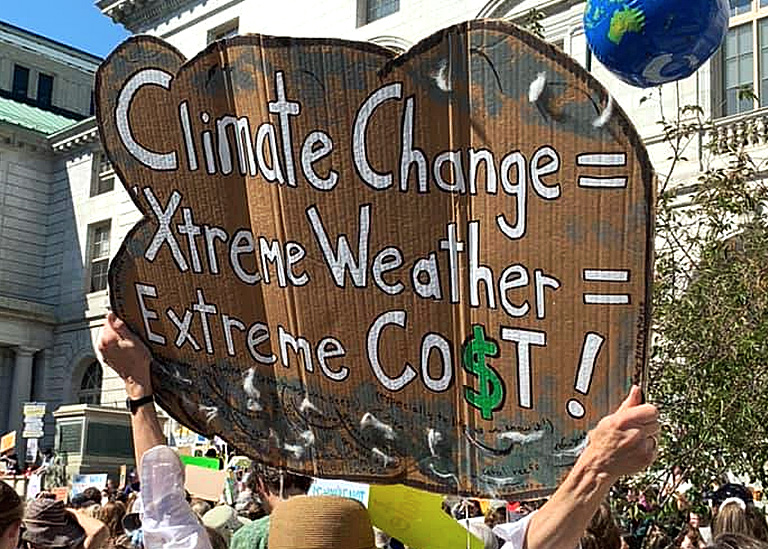
Climate Change
From increasing land and water temperatures to rising sea levels, more frequent and severe storms, and the spread of invasive species and public health threats, climate change has significant impacts on our environment and economy. Maine Conservation Voters works at the state and federal level to advance transformative climate policies and ensure their equitable implementation.
Maine Won’t Wait
Grounded in science and community and developed through a collaborative, whole-of-government process, Maine Won’t Wait is the State’s ambitious, specific, and equitable four-year plan to reduce emissions, prepare for climate change impacts, and strengthen our communities. It includes bold goals to:
- Achieve state carbon neutrality by 2045;
- Incentivize cleaner technologies including electric vehicles, heat pumps, and properly-sited renewable power generation;
- Increase the total acreage of conserved lands in Maine to 30% by 2030; and
- Ensure that climate strategies benefit ALL Maine people.
A Changing Federal Landscape
Under the Biden Administration, the federal government made transformative federal investments through the American Rescue Plan, Infrastructure Investments and Jobs Act, and Inflation Reduction Act that helped support and expand Maine’s climate and clean energy policies. The Inflation Reduction Act alone represents the biggest climate investment in history and delivered significant benefits to Maine.
The Trump Administration has reversed course on these clean energy investments, sunsetting the tax incentives and federal funding from the Inflation Reduction Act with the passage of the “Big Ugly Bill.” By reducing federal support for the clean energy industry, this bill will drive up energy costs and even hurt job creation in our state. Some estimates suggest Maine households could find themselves paying an extra $305 per year on energy by 2035.
Mainers overwhelmingly support affordable, renewable energy and the good-paying jobs it brings to our state, and Maine Conservation Voters will work with our partners and elected state officials to fight for the clean energy future in Maine we need to lower costs, create jobs, and avoid the worst effects of climate change. Continue reading below for more information on our latest policy priorities and work on climate solutions.
Clean Energy
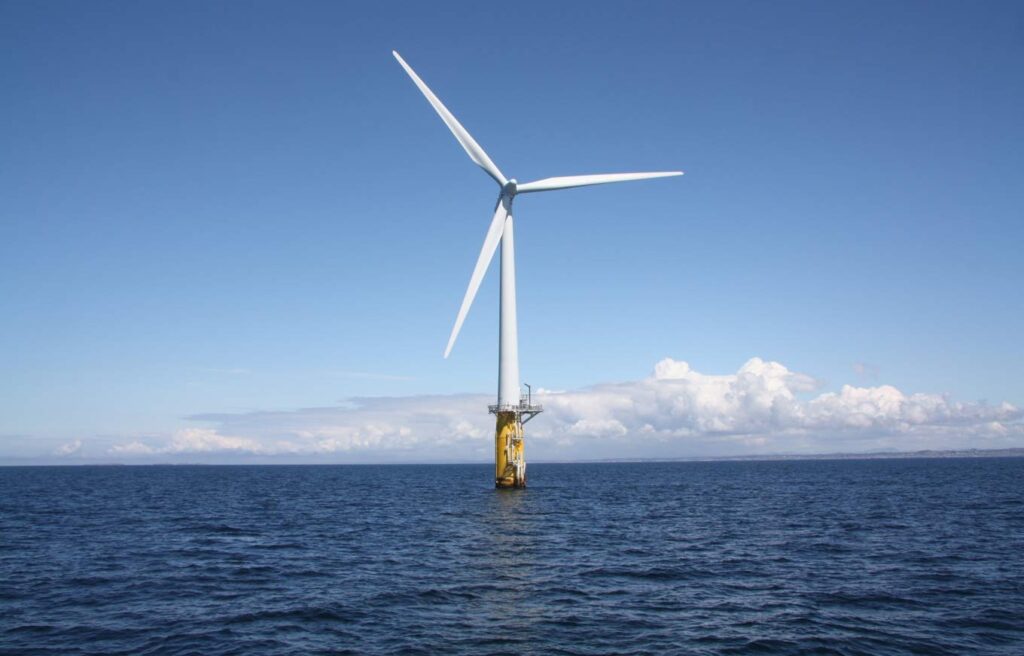
Maine needs large sources of clean, affordable energy to meet our bipartisan climate targets, including transitioning 80% of Maine’s electricity to renewables by 2030 and 100% by 2040. Equally crucial, a just transition to clean, affordable energy must work for ALL Maine people. Recognizing that the Gulf of Maine is home to some of the strongest, most consistent winds in the world, Maine Conservation Voters is partnering with conservation, clean energy, and organized labor allies – as well as businesses and communities – to advocate for responsibly developed offshore wind as an essential element of this transition. Using the best available research and data to inform siting, construction, and operations will help ensure that offshore wind coexists with the Gulf of Maine’s unique ecosystem and the people, communities, and wildlife that depend on it.
Natural Climate Solutions
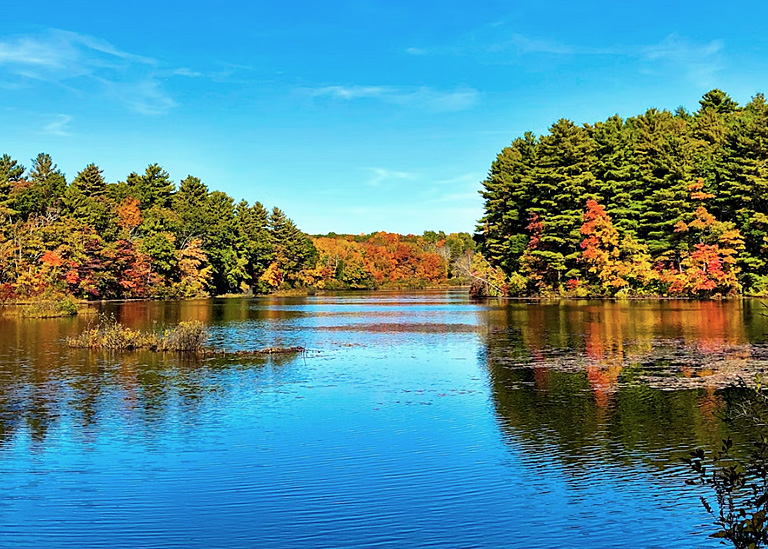
Even as Maine’s natural and working lands and waters are threatened by climate change, our natural resources are playing a powerful role in meeting our climate targets. For example, Maine’s vast and largely unfragmented forests have an outsized role to play in mitigating and adapting to climate change and ensuring continued biodiversity. Beyond their capture-carbon potential, our natural and working lands and waters safeguard communities from climate impacts like flooding and protect public health, local economies, and quality of life for communities. Maine Conservation Voters advocates for natural climate solutions in our climate action and conservation priorities.
Community Resilience
Maine communities have a vital role to play in reducing carbon emissions, transitioning to clean energy, and becoming more resilient to climate change effects such as extreme weather, flooding, rising sea levels, public health impacts, and more. Through our popular online Lunch & Learn series, outreach events, and more, Maine Conservation Voters connects the dots to engage Maine people and communities, including to the State’s Community Resilience Partnership Program.